Looking Back to Move Forward Into 2026
History rarely announces itself when it’s happening. More often, it hums in the background—felt as pressure before it’s understood as change. In hindsight, 2025 will likely be remembered not as a year of dramatic resolution, but as a year of exposure. Fault lines that had been forming for decades became impossible to ignore. Markets spoke. Governments reacted. Individuals adapted.
And adaptation, not prediction, was the story of the year.
Markets: Volatility as a Message, Not a Malfunction
The defining feature of 2025’s markets was not collapse, nor boom—it was instability with intent. Volatility was persistent, selective, and instructive. Capital flowed less on narratives and more on fundamentals. Liquidity tightened, loosened, then tightened again. The era of “set it and forget it” investing continued its long retreat.
Equities oscillated between optimism and anxiety, reflecting a world still unsure whether it was entering a productivity renaissance or a prolonged adjustment period. High-growth assets were repriced under higher-for-longer assumptions, while value, commodities, and hard assets quietly reasserted their relevance.
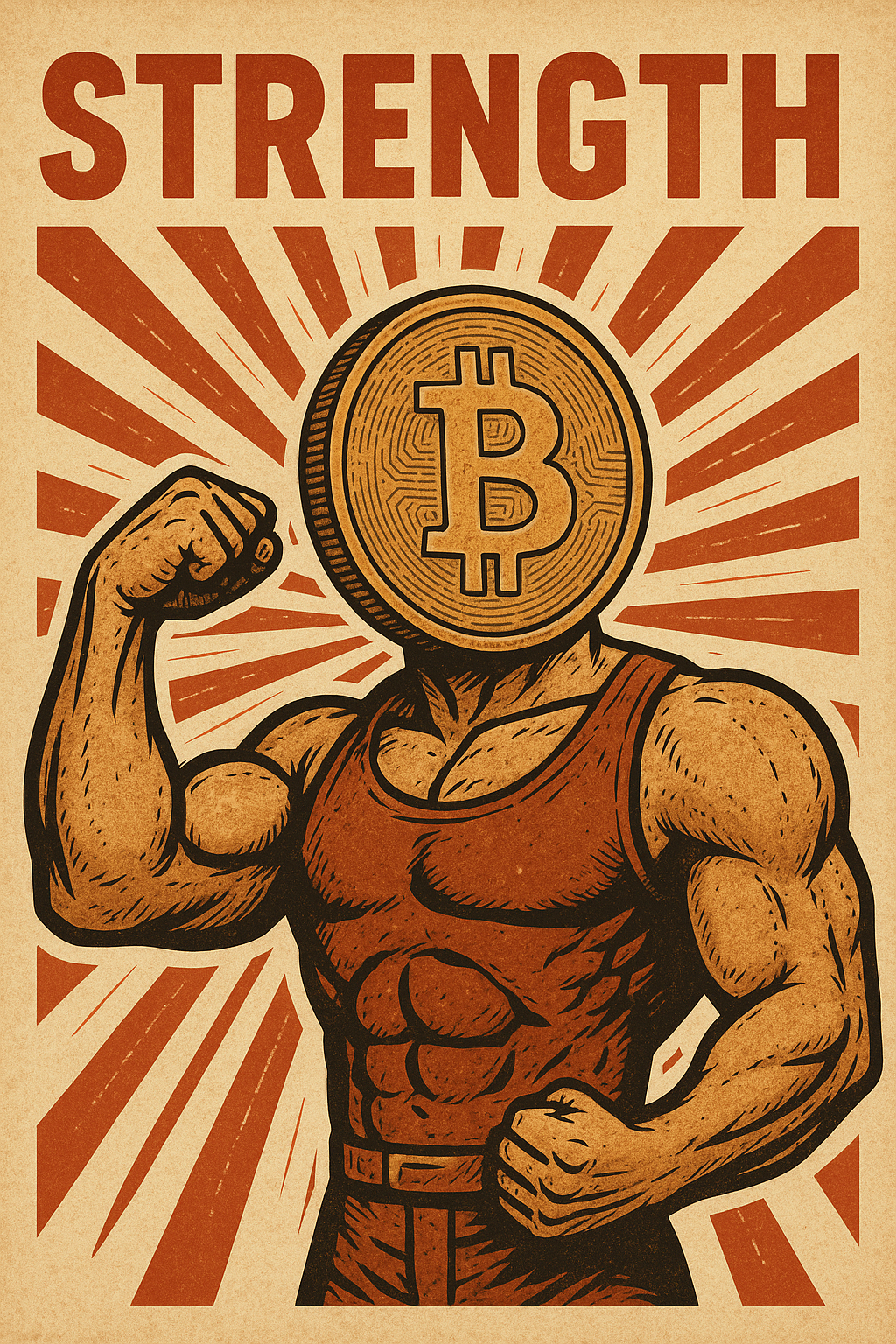
Crypto, for all its noise, continued its slow maturation. Speculation thinned. Infrastructure strengthened. The conversation shifted—away from overnight riches and toward sovereignty, settlement, and parallel systems. That transition, while uncomfortable for traders, was healthy for the ecosystem.
Precious metals told a subtler story. They did not scream panic—but neither did they sleep. Gold and silver remained what they’ve always been: thermometers of trust. And trust, in 2025, was in short supply.
Politics: Centralization Under Stress
Politically, 2025 revealed the limits of centralized control in an increasingly decentralized world. Governments across the globe faced the same paradox: citizens demanded stability, while systems designed decades ago struggled to provide it.
Debt burdens grew heavier. Promises became more expensive to keep. Policy responses leaned reactive rather than visionary—more patches than redesigns. Elections, rhetoric, and regulatory crackdowns came and went, but none altered the underlying reality: legitimacy now competes with transparency, and authority competes with competence.
Perhaps most telling was not what governments did, but what individuals stopped expecting them to do. Faith in top-down solutions continued to erode—not out of rebellion, but out of realism.
And that erosion, uncomfortable as it is, may be the most constructive political development of the year.
The Individual Investor: Less Noise, More Ownership
If institutions looked strained in 2025, individuals looked sharper.
People asked better questions. They diversified not just assets, but skills. They reconsidered leverage—not just financial, but personal. Side businesses, land, trades, education, and local networks gained renewed attention.
Risk tolerance evolved. Short-term speculation gave way to longer horizons. Ownership—real ownership—became a theme again. Of tools. Of time. Of capital. Of responsibility.
This wasn’t mass awakening. It never is. But it didn’t need to be. History turns on minorities who prepare, not majorities who react.
What 2025 Taught Us
If 2025 taught us anything, it was this:
Stability is no longer guaranteed by size
Liquidity is conditional
Trust is fragile
Resilience is personal
The systems we inherited are not collapsing—but they are changing faster than their stewards. That mismatch creates friction. Friction creates opportunity—for those positioned correctly.
Why 2026 Deserves Optimism
Optimism does not require naivety. It requires perspective.
2026 begins not with illusion, but with clarity. Excesses have been trimmed. Assumptions challenged. Weak hands shaken out. What remains is leaner, humbler, and more grounded.
Innovation continues—not loudly, but persistently. Decentralized systems are no longer theoretical. Parallel economies are no longer fringe. Localism, craftsmanship, and sovereignty are no longer nostalgic—they’re practical.
Most importantly, people are paying attention again.
That alone changes the trajectory.
The coming year will reward patience, preparation, and principle over speed and speculation. It will favor builders over promoters, producers over consumers, and owners over renters—of capital, ideas, and life itself.
Closing Thought
The free market has never been about comfort. It has always been about feedback. And 2025 delivered feedback—honest, sometimes harsh, but necessary.
If we listen, 2026 can be a year not of reaction, but of intentional action.
History is still unfolding. But the path forward is clearer than it’s been in years.
And clarity, properly used, is a powerful thing.